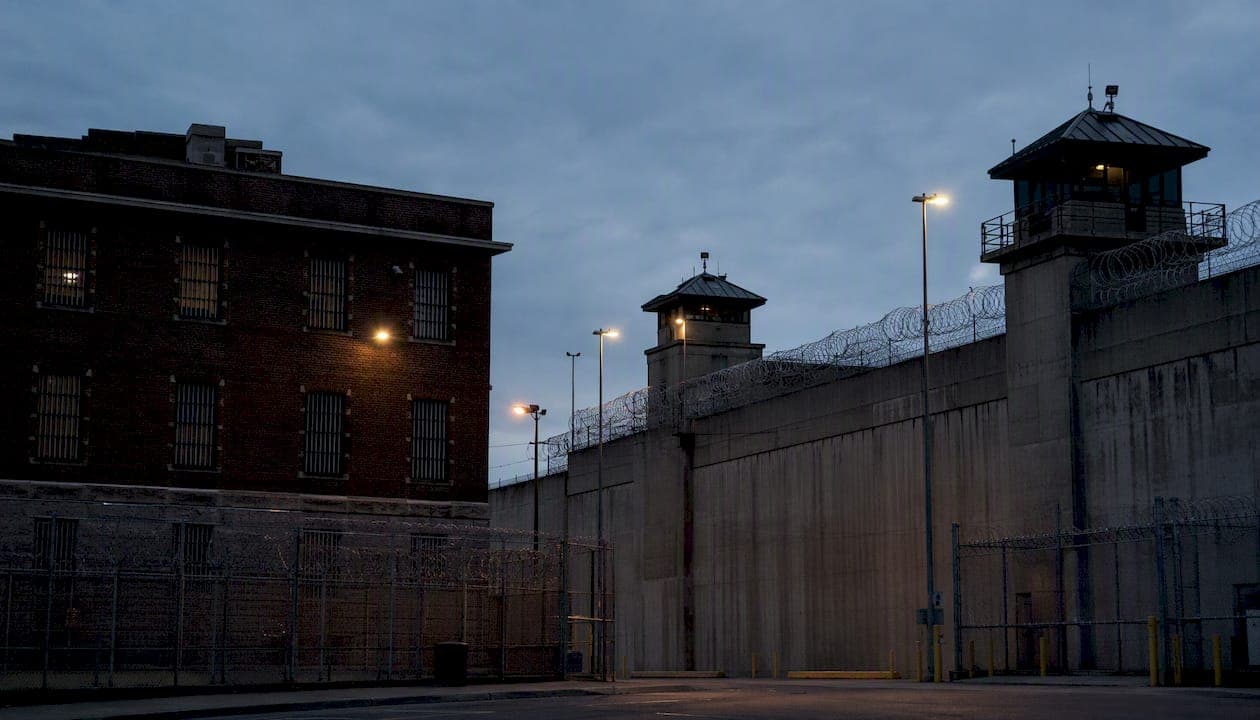
Jail holds people short-term — usually pretrial or for sentences under about one year. Prison holds people long-term after felony convictions, run by state or federal authorities. That single distinction, confirmed by the Bureau of Justice Statistics, is what corrections professionals use to classify custody.
- Who each holds: Jails house people awaiting trial, those who can't post bail, and people serving misdemeanor sentences. Prisons house convicted felons serving longer sentences.
- The rough threshold: Sentences under one year typically mean jail; sentences over one year typically mean prison. State rules can shift this line.
- State variation matters: The one-year rule is a widely used benchmark, not a federal mandate. Some states set different thresholds or use different terminology entirely.
Primary sources for these distinctions include the Bureau of Justice Statistics (BJS), the Vera Institute of Justice, and the Prison Policy Initiative.
Key Takeaways
Jail holds people short-term under local authority; prison holds convicted felons long-term under state or federal authority, with the one-year sentence length as the standard dividing line.
| Point | Details |
|---|---|
| The one-year rule | Sentences under one year typically mean jail; over one year typically means state or federal prison. |
| Who runs each | Jails are run by county sheriffs or city authorities; prisons are run by state DOCs or the federal BOP. |
| Pretrial population | A large share of jail residents have not been convicted — many are held because they cannot afford bail. |
| State variation | Some states, like California post-2011 realignment, route certain felony sentences to county jails instead of state prisons. |
| Registryrecognizer | Search county-level booking records, charges, and custody locations at Registryrecognizer to locate someone held locally. |
Table of Contents
- What's the real difference between jail and prison?
- What is a jail, and who does it hold?
- What is a prison, and who ends up there?
- How does the one-year rule work in practice?
- How do jails and prisons differ in day-to-day operations?
- How does someone move from jail to prison?
- Common misconceptions about jails and prisons
- Where to find someone in custody
- A note on legal limits and state variation
- Why access to custody records matters
- Search county arrest records with Registryrecognizer
- Sources
What's the real difference between jail and prison?
The table below captures the core contrasts. Read it once and you can classify almost any custody scenario.
| Dimension | Jail | Prison |
|---|---|---|
| Purpose | Pretrial detention; short sentences | Long-term incarceration after conviction |
| Who runs it | County sheriff or city/municipal authority | State Department of Corrections or federal BOP |
| Typical sentence length | Under ~1 year | Over ~1 year |
| Inmate population | Pretrial detainees, misdemeanants | Convicted felons |
| Security levels | Usually one or two levels | Minimum to supermax |
| Programs and services | Limited (high turnover) | Education, vocational training, substance treatment |
| Visitation | Varies by county; often restricted | Structured schedules; more consistent |
Three quick scenarios:
- Arrested and awaiting trial, bail set at $10,000 but can't pay it: You're in jail, not convicted of anything yet.
- Convicted of a misdemeanor, sentenced to 60 days: Jail. Short sentence, local facility.
- Convicted of a felony, sentenced to 5 years: State prison, transferred after sentencing.
Note: Some states use "correctional facility" or "detention center" for both types. When in doubt, check the operating authority — local means jail, state or federal means prison.
What is a jail, and who does it hold?
A jail is a locally operated, short-term detention facility. County sheriffs or city police departments run them. The Bureau of Justice Statistics defines jails as facilities that hold people awaiting trial or sentencing and people serving sentences of less than one year.
On any given day, jails held roughly 658,000 people in 2022, according to the Vera Institute. But the annual admissions number is far higher because jails cycle people in and out constantly — someone booked on a Friday night may be released by Monday morning.
A large share of the jail population hasn't been convicted of anything. Many people sit in pretrial detention simply because they can't afford bail. That's a critical point the Vera Institute emphasizes: the inability to pay, not the severity of the charge, is often what keeps someone behind bars before trial. For a closer look at how pretrial release options work and what alternatives exist, county-level resources can clarify your specific situation.
What you'll typically find in a jail:
- Operated by the county sheriff or a municipal authority
- High population turnover — admissions and releases happen daily
- Limited programming (GED classes or substance counseling may exist but aren't guaranteed)
- Booking records, mugshots, and charge information maintained locally
- Visitation policies set by the individual facility — hours and contact rules vary widely
- Bail and pretrial release handled here before any conviction
The term "detention center" often refers to the same type of facility. Federally, Immigration and Customs Enforcement (ICE) also uses "detention center" for immigration holds, which is a separate system from criminal jails. The core meaning — short-term, locally operated custody — is the same.
What is a prison, and who ends up there?
A prison is a state or federally operated facility for people who have been convicted of felonies and sentenced to more than roughly one year. State prisons fall under each state's Department of Corrections; federal prisons are run by the Bureau of Prisons (BOP). Prisons currently hold a significant number of people across state and federal systems.
Unlike jails, prisons are built for long-term stays. That shapes everything — the physical design, the programming, the daily schedule. A person sentenced to five years has time to complete a GED, a vocational certification, or a substance treatment program. That's by design.
Security levels in prisons:
- Minimum security: Lower fences, dormitory housing, work camps; often for nonviolent offenders nearing release
- Medium security: More restrictions, cell housing, structured movement
- Maximum security: Strict controls, limited movement, higher-risk populations
- Supermax (Administrative Maximum): Near-total isolation, reserved for the most dangerous or disruptive individuals
Laws like mandatory minimums, three-strikes statutes, and life-without-parole sentences have driven prison populations toward longer and longer average stays, as documented by The Sentencing Project. The result is a system where prisons hold fewer people than jails admit annually, but hold them for far longer.
What distinguishes prison life:
- State DOC or federal BOP oversight, with centralized records
- Structured programming: education, vocational training, work assignments, parole preparation
- Parole eligibility and early-release rules set by state statute or federal guidelines
- More consistent visitation schedules than jails, though rules still vary by facility
- Classification process that determines which security level a person is assigned to
How does the one-year rule work in practice?
The one-year threshold is the clearest dividing line in American corrections. Sentences under one year go to jail; sentences over one year go to prison. The BJS states this directly, and most state statutes are built around it. But "most" is doing real work in that sentence.
Concrete examples:
- 60-day misdemeanor sentence (e.g., petty theft): Served in the county jail. No transfer, no state involvement.
- 9-month sentence (e.g., a low-level drug offense): Almost certainly jail, but check your state's statute. A handful of states route certain offenses differently even below the one-year mark.
- 5-year felony sentence (e.g., aggravated assault): State prison. After conviction and sentencing, the person is transferred from the county jail where they were held pretrial.
- Federal felony (e.g., bank robbery, federal drug trafficking): Federal prison, designated and managed by the Bureau of Prisons regardless of sentence length.
State variation is real. California, for example, shifted many lower-level felony sentences to county jails under its 2011 realignment law, meaning some people serving multi-year sentences are in county facilities rather than state prisons. Texas, New York, and other states have their own thresholds and classification rules. For family members trying to understand county jail vs state prison placement, checking the specific state DOC website is the most reliable first step.
Pro Tip: If you're unsure which facility holds someone, start with the county sheriff's roster for recent arrests. If the sentence exceeds one year or involves a felony conviction, move to the state DOC inmate locator. Federal charges? Go straight to the BOP's online locator at bop.gov.
How do jails and prisons differ in day-to-day operations?
Governance is where the practical differences become most visible. A county jail answers to the county sheriff or a city police chief. A state prison answers to the state's Department of Corrections. A federal prison answers to the Bureau of Prisons. That chain of command determines who keeps the records, who you call for information, and what rules apply.
Jails are, by nature, chaotic. High turnover means the population changes constantly — people are booked, arraigned, bailed out, transferred, or released on a rolling basis. That instability makes it harder to run consistent programming. A GED class requires the same students to show up for weeks; a jail population doesn't guarantee that. The A&E explainer on jails and prisons notes this directly: jails tend to be more chaotic precisely because of that turnover.
Prisons, by contrast, are built around routine. Long sentences mean a stable population, which makes sustained programming possible. Work assignments, educational courses, and vocational training are standard features at most state and federal prisons.
Practical contact points by facility type:
- County jail: Call the county sheriff's office or check the sheriff's online roster. Records include booking date, charges, and bond status.
- State prison: Use the state DOC's inmate locator (most states have one online). You'll need the person's full legal name and ideally a date of birth or inmate ID.
- Federal prison: Use the BOP's inmate locator at bop.gov. Federal records are centralized and searchable by name.
Visitation rules follow the same pattern. Jails set their own hours and contact policies, which can change without much notice. State and federal prisons have more structured visitation schedules, though approval processes (background checks for visitors, approved visitor lists) are stricter.
How does someone move from jail to prison?
The transfer from jail to prison follows a predictable sequence, though the timeline varies.
- Arrest and booking: The person is taken to the county jail, fingerprinted, photographed, and charged.
- Pretrial detention: If bail isn't posted or is denied, the person remains in jail while the case moves through court.
- Conviction and sentencing: After a guilty verdict or plea, the judge imposes a sentence. If it exceeds the threshold for prison placement, the court issues a commitment order.
- Classification: The state DOC (or BOP for federal cases) reviews the case and assigns the person to a specific facility based on security level, program needs, and available space.
- Transfer: The person is transported from the county jail to the designated prison. This can take anywhere from a few weeks to several months, depending on the state and available transport.
During that waiting period, the person remains in the county jail. It's common for someone with a multi-year sentence to spend weeks or even months in a county facility after sentencing while awaiting transfer. A felony-level charge in the booking record is often the first indicator that a transfer to state or federal custody is likely.
Parole violations and post-release supervision violations follow a slightly different path. Someone who violates parole may be returned to a county jail first, then transferred back to state prison depending on the nature of the violation and the revocation hearing outcome.
Common misconceptions about jails and prisons
Myth: The terms are interchangeable. They're not, technically. Everyday speech and media coverage blur them constantly. A news anchor saying "he's in jail for 10 years" is almost certainly describing a prison sentence. The Dictionary of this distinction notes that "jail" gets used loosely in conversation while "prison" more specifically refers to longer-term facilities. For official records, the operating authority tells you which is which.
Myth: Prison is always tougher than jail. Not necessarily. Jails can be more dangerous and more stressful than many medium-security prisons, precisely because of the chaos that comes with high turnover. A county jail on a Friday night after a busy week of arrests is a different environment from a minimum-security prison with a stable population and structured programming.
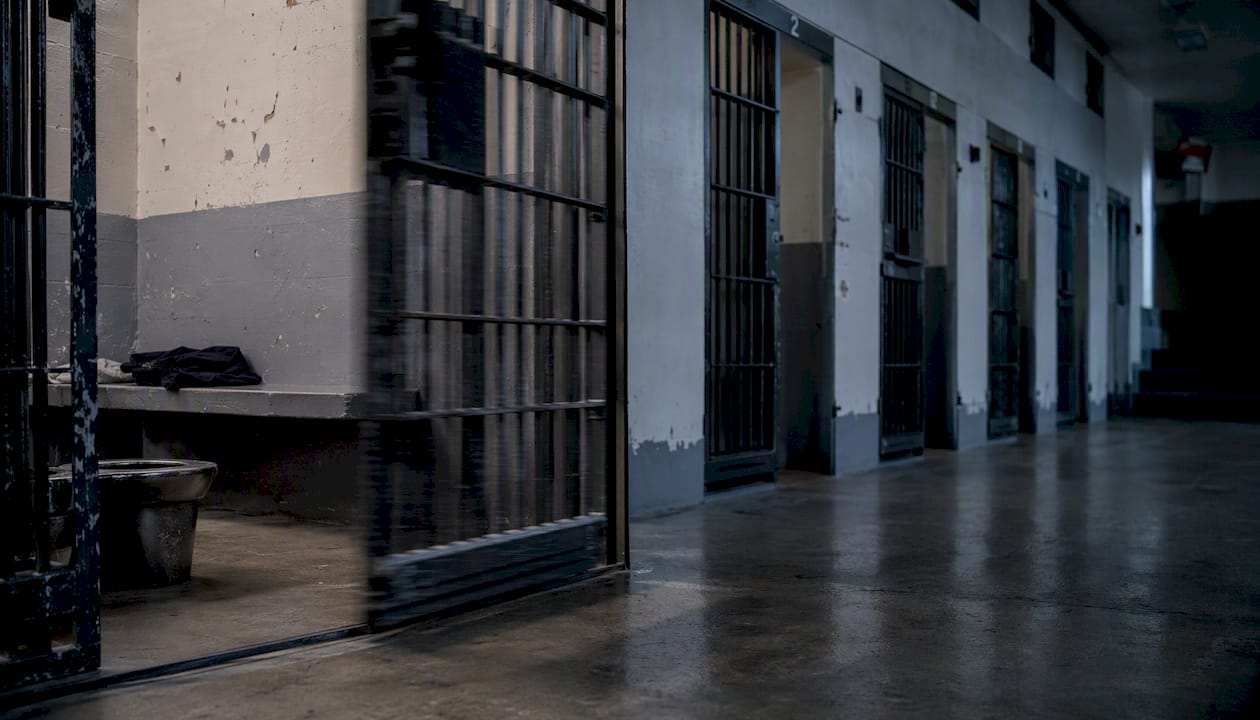
Myth: Everyone in jail was convicted of something. A significant portion of the jail population has not been convicted. Many people are detained pretrial because they can't afford bail, not because a court found them guilty. The Vera Institute documents this as a major driver of jail populations, with cascading effects on employment and housing for people who may ultimately be acquitted or have charges dropped.
Myth: Detention center means something different from jail. Usually, no. "Detention center" is often used interchangeably with jail for local criminal custody. The exception is immigration detention, which operates under a separate federal framework through ICE.
Where to find someone in custody
Knowing whether someone is in a jail or a prison determines where you search. The tools are different, and so is the information they return.
- County jail rosters: Start here for recent arrests. Most county sheriff websites publish daily or weekly booking logs with names, charges, and bond status. You'll need the person's full legal name; a date of birth helps narrow results.
- State DOC inmate locators: Each state's Department of Corrections maintains an online search tool for people currently serving sentences in state prisons. Search by name, DOB, or inmate ID number.
- Federal Bureau of Prisons: The BOP's inmate locator at bop.gov covers anyone in federal custody. It's free, updated regularly, and searchable by name.
- BJS and Prison Policy Initiative: These are national-level resources for statistics and policy context, not individual inmate searches. Use them to understand scale and trends, not to locate a specific person.
- Registryrecognizer: Registryrecognizer maintains a searchable database of county-level arrest records, booking information, mugshots, charges, and custody status across multiple jurisdictions. It's a practical starting point when you know the county but aren't sure which facility holds someone. Use it for lawful, informational purposes — it's not a substitute for official court records or certified legal documents.
Pro Tip: Have the person's full legal name, date of birth, and if possible a booking number before you search. Partial names return too many results to be useful, especially in large counties.
The Prison Policy Initiative's data overview is the best resource for understanding how offense types and admissions break down across the system nationally.
A note on legal limits and state variation
This article is general information, not legal advice. For guidance specific to a case, consult a licensed attorney in the relevant jurisdiction.
State rules vary significantly. The one-year threshold is a widely used benchmark, but individual states set their own statutes, and some counties operate under local ordinances that affect placement and programming. Always verify current rules with the state DOC, county sheriff, or a local attorney.
Why access to custody records matters
Public access to booking and custody records serves a real purpose. Families trying to locate a relative after an arrest, attorneys confirming a client's custody status, journalists covering local crime, and researchers tracking incarceration trends all rely on the same underlying data — who was booked, on what charge, at which facility, and when.
Registryrecognizer was built around that need. The database pulls together county-level arrest records, booking details, charge information, and custody locations in one searchable place, updated regularly so the information reflects current status rather than outdated snapshots. For anyone trying to navigate the difference between a county jail hold and a state prison transfer, having that record in front of you is the fastest way to understand where someone actually is and why.
Search county arrest records with Registryrecognizer
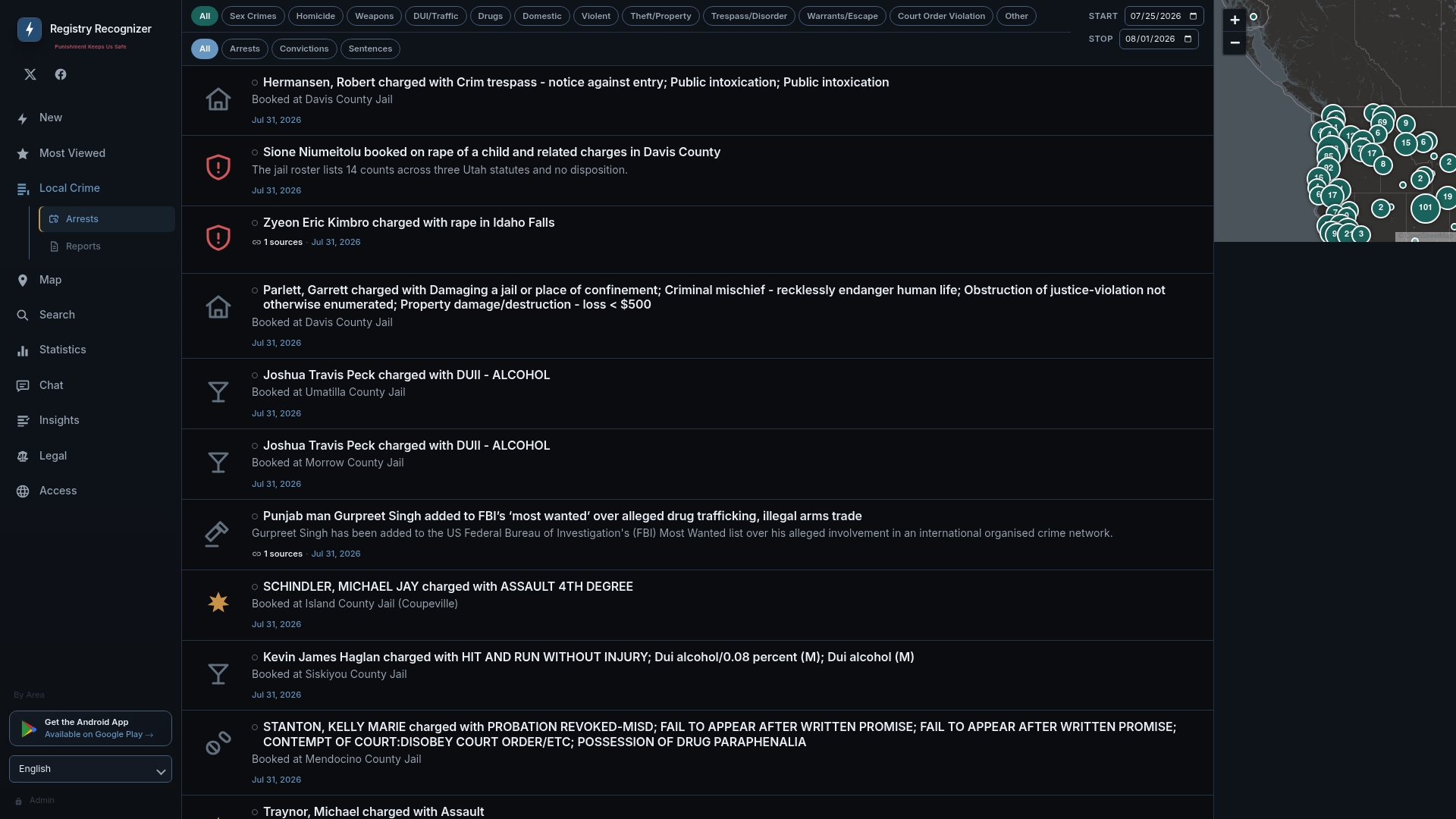
Registryrecognizer gives you direct access to county arrest rosters, booking details, mugshots, and charge information across multiple jurisdictions — all in one searchable database. When you need to know whether someone is being held locally or has been transferred to state custody, the booking record is your first answer.
Filter by county, crime type, or name. Records include charges, facility location, and disposition status where available. This is the publisher's own product, built for citizens, legal professionals, and researchers who need fast, reliable access to public arrest data.
Search the arrest record database to find current booking information by county.
Sources
- Bureau of Justice Statistics — What is the difference between jails and prisons
- Vera Institute — U.S. jails and prisons explained
- Prison Policy Initiative — Prison/ Jail data overview (PIE 2022)
- The Sentencing Project — No End in Sight: America’s Enduring Reliance on Life Imprisonment
Recommended
- RANDALL, DONALD LAMAR charged with VIOLATION OF PAROLE · Registry Recognizer
- CAPRAI, CASEY GLENN charged with DOC CONTRACT · Registry Recognizer
- Man jailed for alleged disorderly conduct in Roseburg · Registry Recognizer
- KING, KEION JACQUESE charged with CC24-0246 PROBATION VIOLATION - FELONY · Registry Recognizer